Dishes, culture and geography: Peruvian cuisine in Portugal
Peruvian cuisine is often introduced through a single dish — ceviche, usually — but it is really the product of three very different geographies cooking in parallel: a dry coastal desert, a high Andean range, and an Amazon jungle most visitors never reach. What ties these three regional cuisines together is less a shared recipe book than a shared culture: cooking that adapts to whatever ingredient the land and coast actually provide, rather than importing a fixed idea of what a national dish should be.
That culture has travelled with the Peruvian diaspora, including the Peruvian community living in Portugal, in forms as varied as a family-run restaurant, a market stall, or a home kitchen cooking for neighbours. This resource follows the same logic: each entry documents one dish or one geographic context within Peruvian cuisine, treating the culture behind it as a serious subject rather than a passing food trend.
Every entry published here is built from checkable sources — a dish's documented history, its regional origin, its base ingredients — not personal opinion or a single traveller's memory. The aim is that anyone trying to understand Peruvian cuisine, whether out of curiosity, before a trip, or after tasting a Peruvian dish for the first time, finds a clear starting point here before going deeper elsewhere: Peruvian cuisine explained through real dishes and their documented origin, not through a generic overview.
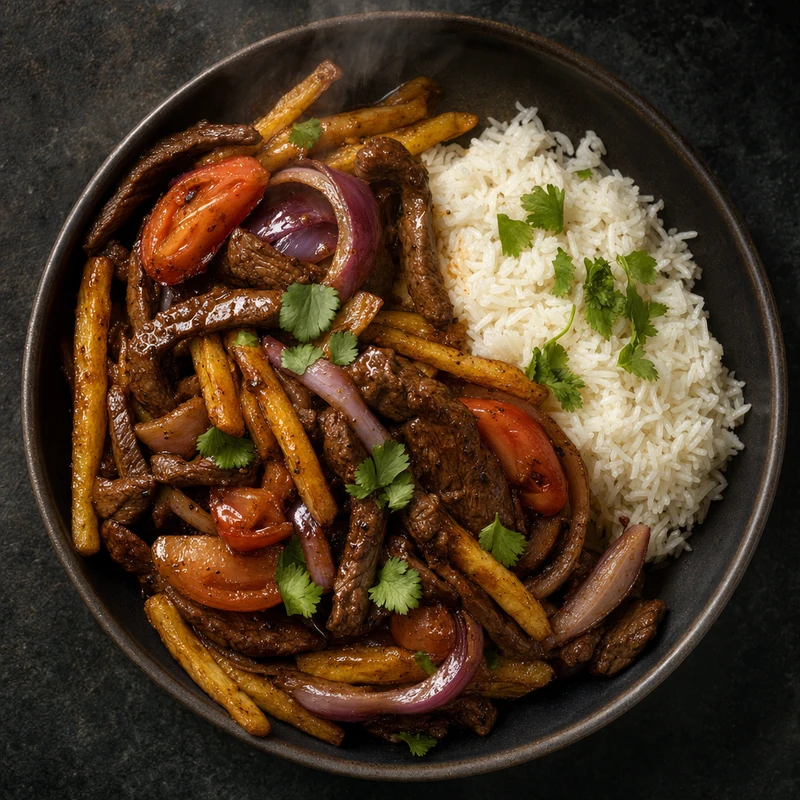
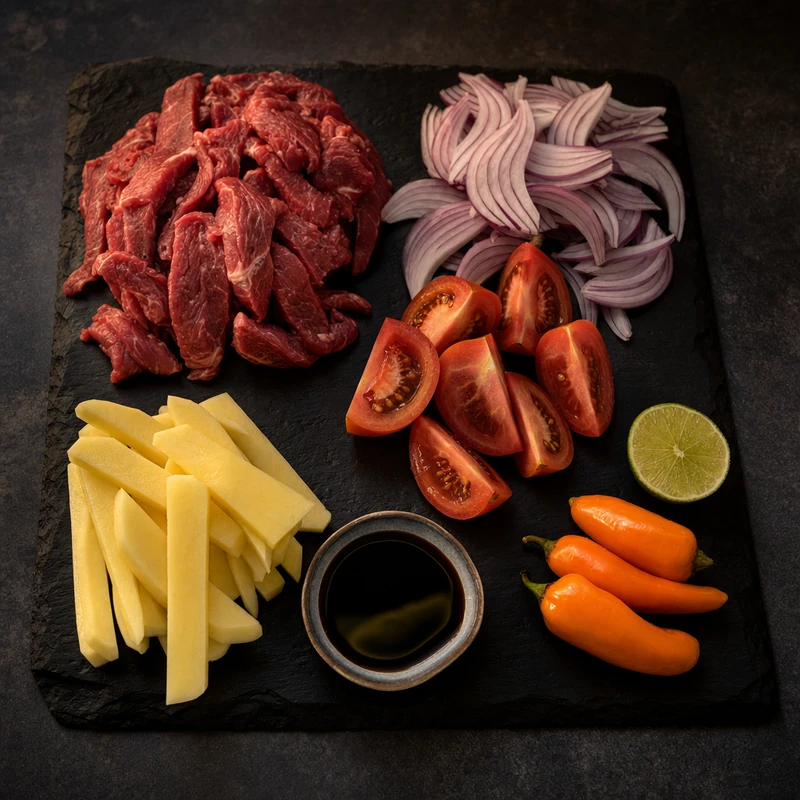
That distinction matters because most short introductions to Peruvian cuisine online repeat the same handful of dishes without ever explaining why they exist in that form. A ceviche recipe on its own does not say why coastal Peru cures fish in citrus rather than cooking it; a lomo saltado recipe does not say why a Chinese-Peruvian technique ended up defining a national dish. This resource treats that context — history, geography, migration — as part of the dish itself, not as an optional footnote.
Coast, highlands and jungle: the three geographies behind Peruvian cuisine
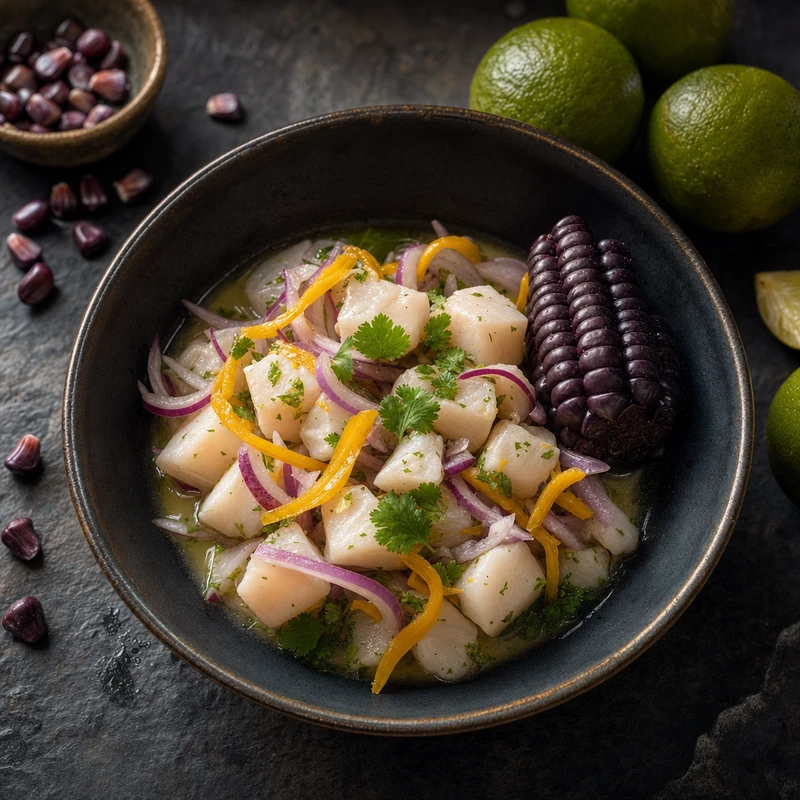
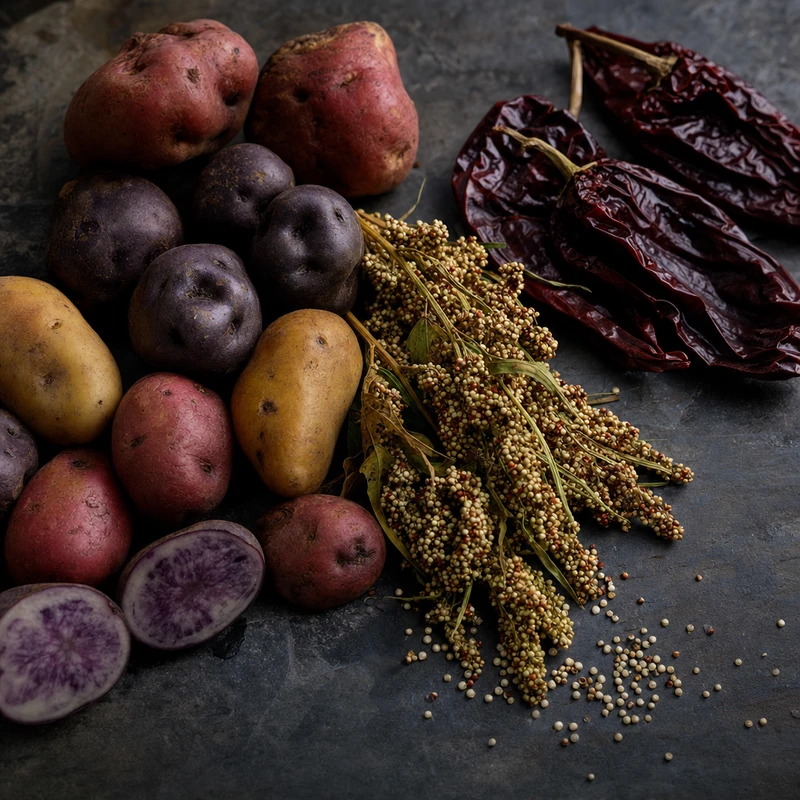
Peru holds together three geographies that barely share a climate: a dry coastal desert cut by river valleys, an Andean highland range that climbs past 4,000 metres, and an Amazon jungle to the east. Each cooks differently. The coast sits on the Pacific, which is why ceviche, shellfish and heavy citrus use define coastal Peruvian cuisine. The highlands are colder and higher, which is exactly where the potato, maize and quinoa now eaten worldwide were first domesticated, typically served in thick stews such as caldo de gallina or rocoto relleno. The jungle contributes fruit, river fish and roots that rarely travel outside the region, but that still shape Peruvian cuisine wherever the three geographies meet.
This editorial resource follows that same geographic logic: every entry places a dish in its origin — coast, highlands or jungle — before explaining the technique. That link between territory and dish, more than any single recipe, is what separates Peruvian cuisine from a simple ingredient list.
In Portugal, Peruvian cuisine arrives mostly through its coastal dishes — ceviche, lomo saltado, seafood rice — because that branch of the culture was the first to spread through Europe via Peruvian restaurants and chefs. Highland cooking, which depends on ingredients that are harder to import fresh, remains far less known outside Peru, which is one reason this resource gives it dedicated entries of its own.
Frequently asked questions
What is Peruvian cuisine explained through, on this site?
▾
This resource organises Peruvian cuisine by geography — coast, highlands and jungle — rather than as a loose list of recipes. Each entry places a dish in the region that shaped it before explaining the technique, which is why the same country's cooking can look so different from one entry to the next. In short: Peruvian cuisine explained region by region, not recipe by recipe.
What are the best-known traditional Peruvian dishes?
▾
Coastal ceviche is the most familiar outside Peru, but traditional Peruvian dishes also include lomo saltado, cuy chactado and pachamanca from the highlands, and causa limeña and cau cau, both born in Lima. Several already have their own dedicated entry here.
How does coastal cooking differ from highland cooking in Peru?
▾
The coast is a dry desert strip along the Pacific, which is why ceviche relies on raw fish and heavy citrus. The Andean highlands, colder and higher, gave the world the potato, maize and quinoa, cooked in thick stews like pachamanca — a difference driven by altitude, not preference.
What sources back the dishes covered here?
▾
Each entry draws on a dish's documented regional origin, its base ingredients and its known history, cross-checked against more than one source before publication — not personal opinion or a single traveller's account.